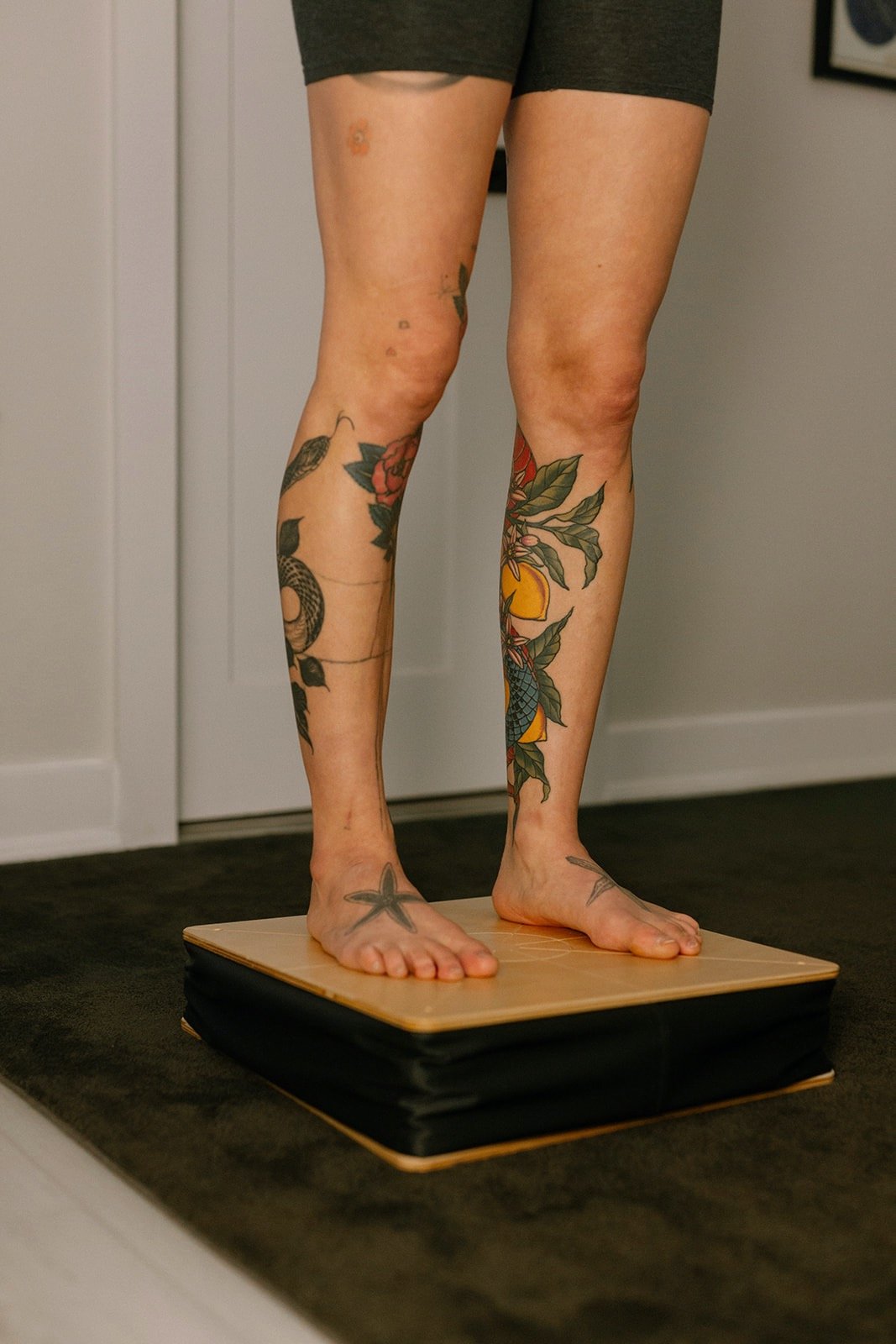
“The body is the personality exploded in three dimensions.”
- Dr. Ida Rolf
TORONTO ROLFING®
Charlene Yeh, RMT, Certified Advanced Rolfer®, M.Mus.


Whereas René Descartes said, “I think, therefore I am”, Dr. Ida Rolf (1896-1979) knew that the mind and body are not separate entities. We don’t just think with our minds, we think with our bodies. We can feel joy in our mind/body, as well as pain, difficult feelings and trauma.
Dr. Rolf was once quoted, “I work with the body, because it’s what I can get my hands on”. She understood that a body is not just flesh and bones, and that every facet of who we are as human beings deserves careful consideration, whether it is structural, emotional, psychological, or spiritual. It is this holistic approach that differentiates Rolfing® from the conventional way of only treating symptoms.
Rolfing® SI is a hands-on therapeutic method that addresses the body’s fascial network, a type of tissue that surrounds every muscle, encases joints and influences the nervous system.
Injuries, overuse and chronic tension cause unconscious tightening and shortening of the fascia. Rolfing addresses these effects by taking advantage of the pliable nature of fascia. To correct internal misalignments, a Rolfer uses mild to direct pressure to “melt” or release fascial holdings, which re-establishes balance and health—the techniques used help to ease patterns of strain, allowing you to move with less effort.
Instead of focusing on various body parts, symptom-by-symptom, Rolfing approaches the organization and functioning of the whole body in gravity. Rolfing SI allows the brain and nervous system to “re-boot” areas of the body that are receiving too much electrical stimulation (chronically tight or sore muscles). Once a healthy level of muscle contraction is established, the person’s entire structure is free to express a pain-free form.
What is Rolfing® Structural Integration?
“When your two legs are not properly under your body, you are insecure, and you’ll act like it and feel like it.”
- Dr. Ida Rolf

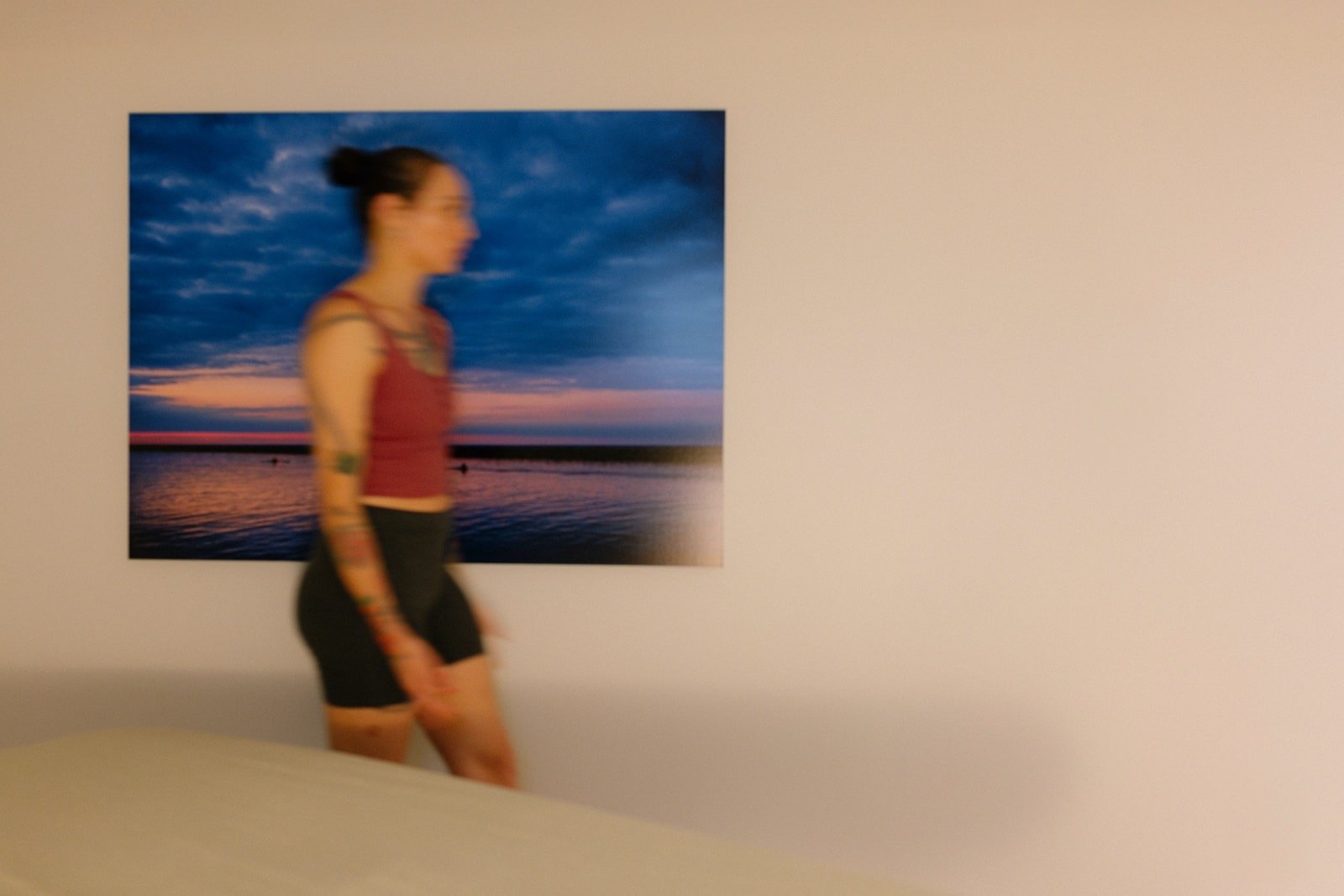


Benefits of Rolfing

Newfound ability to play sports or do activities that were previously inaccessible
Improved performance and reduced risk of injury (e.g. athletes, musicians, dancers)
Regulation of nervous system
Helps to address somatized trauma


Helps to relieve acute and chronic strains
Greater sense of vitality and resilience
Relief from chronic pain or tension
Faster recovery from physical demands, injury or surgery
Improved posture and body awareness
Increased range of motion and flexibility

The Rolfing Ten Series
The Ten Session Series is a systematic approach of addressing the body’s compensations. Instead of “chasing symptoms”, Dr. Rolf’s classical work offers a process-oriented method to restore healthy movement and structure.
Overview of Goals:
Sessions 1-3: Loosen and balance surface layers of connective tissue.
Session 1: Devoted to enhancing the quality of breath with work on the arms, ribcage and diaphragm. Opening is also started along the upper leg, hamstrings, neck and spine.
Session 2: Helps give the body a stable foundation by balancing the foot and muscles of the lower leg.
Session 3: Involves work along the sides of the body for an understanding of how the head, shoulder girdle, and hips are positionally related to one another.
——————————
Sessions 4-7: The "core" sessions, examining terrain found between the bottom of the pelvis and top of the head. The idea of core also includes the deep tissue of the legs for its role in support.
Session 4: Work from the inside arch of the foot and up the leg, to the bottom of the pelvis.
Session 5: Balancing surface and deep abdominal muscles to the curve of the back.
Session 6: Goal is to enlist more support and moment from the legs, pelvis and lower back
Session 7: Attention to the neck, head and mouth; includes intra-oral work (adjusted to client’s comfort level).
——————————
Sessions 8-10: Emphasis on "Integration"; an opportunity for the practitioner to blend previously established advancements, and ones yet to be made, in a way that encourages smooth movement and natural coordination.
Session 8 and 9: The practitioner determines how best to achieve this integration, as the protocol is unique for each individual.
Session 10: This final session serves to inspire a sense of order and balance. Once completed, the wisdom of the Rolfing Ten Series will drive and support the body with health for years to come.
——————————
Post-Ten Sessions: To think that we only need ten sessions in order to live well for the rest of our lives is wishful thinking. After completing the Ten Session series, most clients find it helpful to come for “tune-ups”, which continue to support the sense of well-being that has been established with the foundational work.

What to Expect
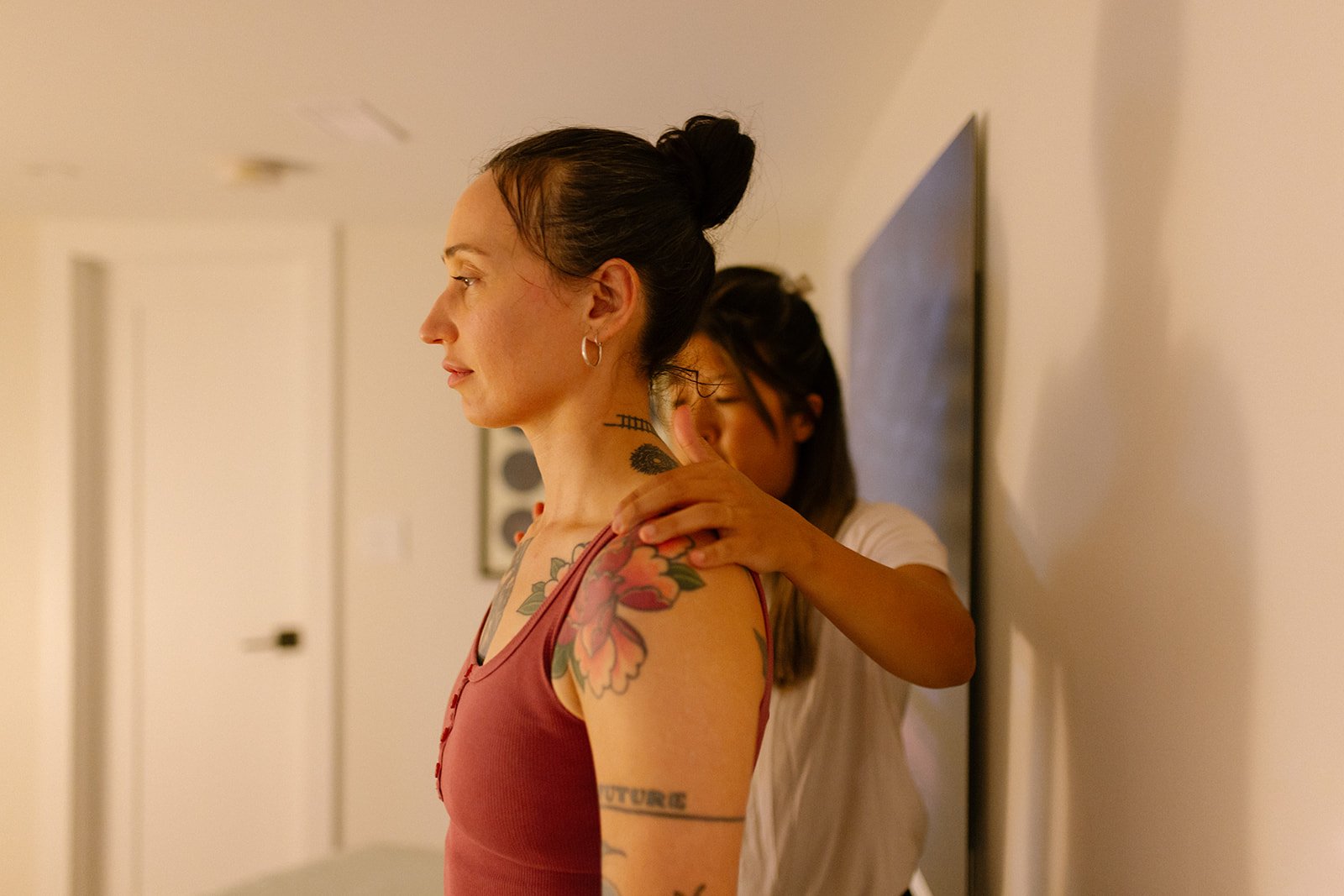
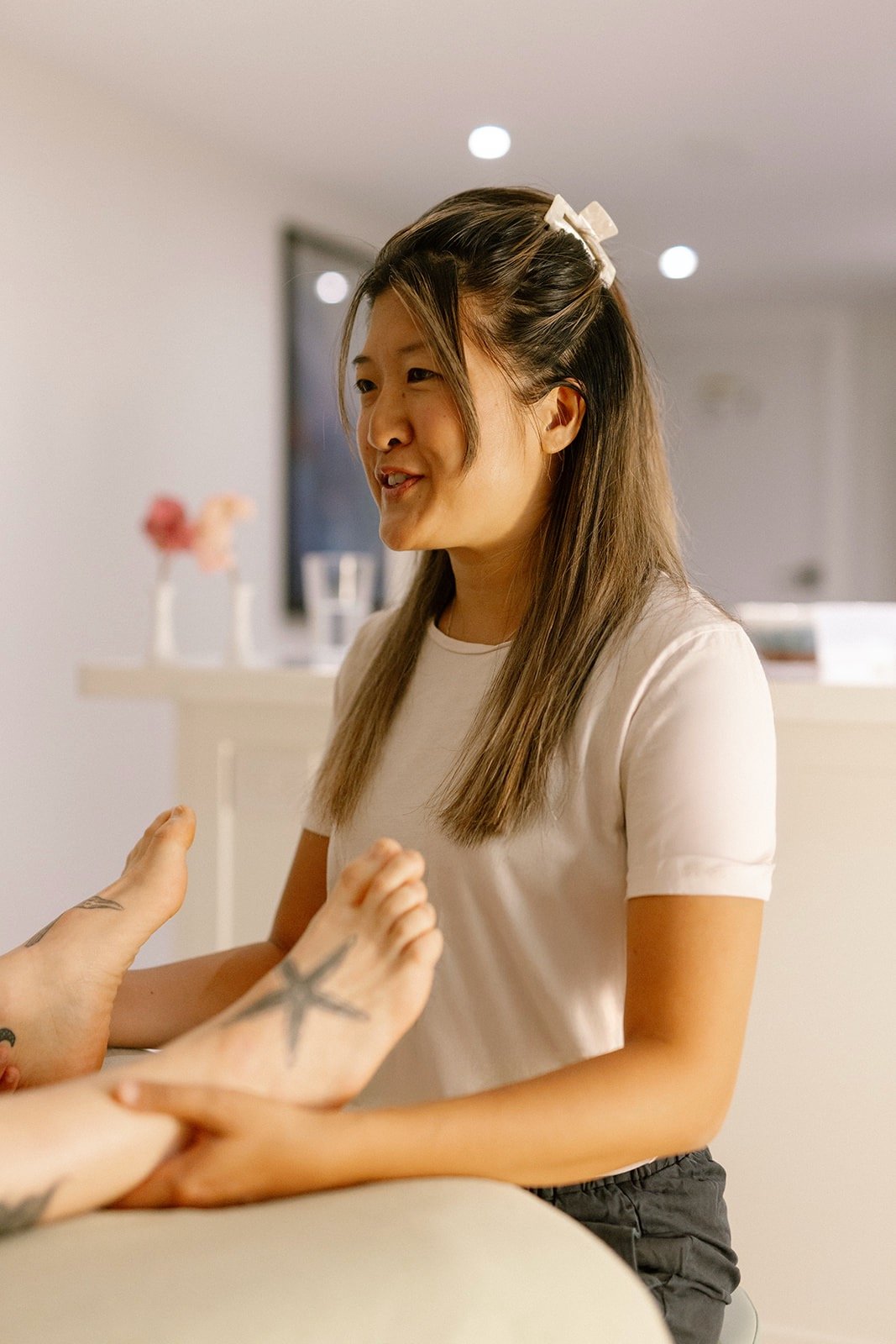
I begin with a check-in and postural assessment where I observe movement and holding patterns and notice what changes have occurred since the last session (if applicable). We discuss how I can help bring more ease into your body.
The hands-on work is done on a comfortable table. I work on areas of restriction (some more than others, or differently from side to side), to help you restore ease of movement and upright posture.
The Rolfing process is engaged and participatory: while I use physical pressure to mobilize connective tissue restrictions, I ask for breath and gentle movement to help facilitate the restoration of healthy movement patterns. Clients participate with their awareness, and each session includes some movement education to bring awareness to everyday habits.
As we work, you will experience sensations of stretch and release, and it may feel intense at times. As the client, you are always in charge of how deeply we choose to work.
FAQ
Is Rolfing covered by my insurance?
If you have extended benefits that offer reimbursement for Registered Massage Therapy, then yes! I am a Registered Massage Therapist, and Rolfing Structural Integration is covered under the “umbrella” of Registered Massage Therapy.
Is it painful?
In the past, Rolfing® had a reputation for being painful and heavy-handed, but over the years it has evolved into a gentler and more precise method. Most clients find Rolfing to be deep, slow and satisfying, as we find a way to work together that respects your level of comfort.
How do I know if Rolfing is right for me?
The clients who get the most out of this process are motivated to gain insight into their movement habits and patterns. Because Rolfing is not a symptom-oriented modality, it requires some curiosity, patience and trust in the beginning, Rolfing is experiential: it is difficult to know how you will feel from the work, so I typically recommend trying three sessions.
What do I wear?
Traditionally, clients (according to their gender and preference) wear gym shorts, a regular or sports bra, or a bathing suit; however, I can work above loose clothing. Clients should be comfortable!
How often do I need to come?
Sessions are spaced according to one's needs. Appointments are usually set every one to two weeks during the Ten Series- each session builds upon the previous one.
After completing the Ten Series, clients often elect to come in once per month for a “tune-up”, or a few times per year for an Advanced Rolfing Series, in which we focus on specific goals.
What do you mean by movement education?
Rolfing is not just about the practitioner applying bodywork – you’ll also learn about your patterns and habits,and gain insights about how you move through the world. Your participation in the sessions helps the changes you experience to last longer, as they become integrated into your motor coordination pattern. As your body continues to move with ease, the work steadily becomes a part of your daily life.
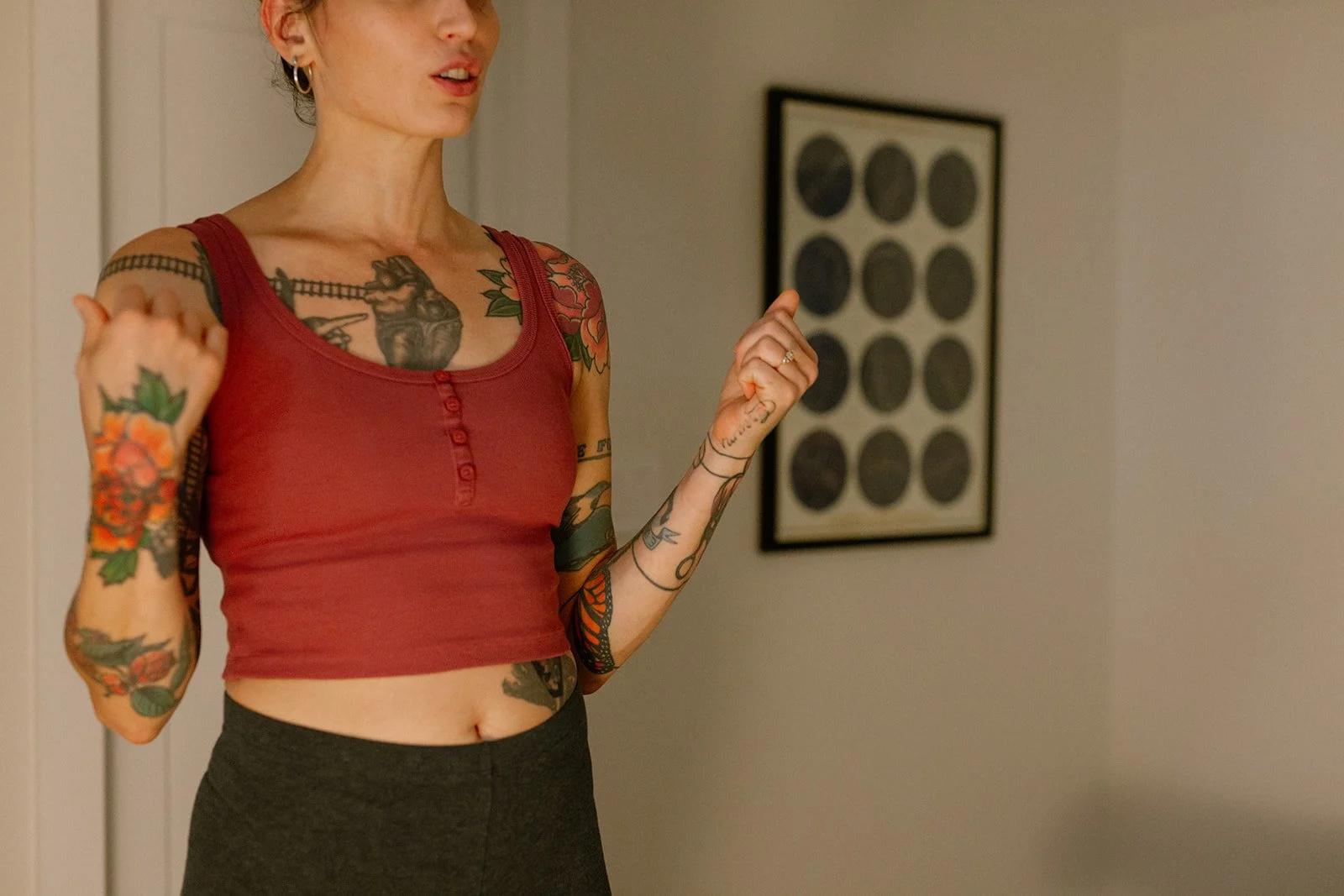

About Toronto Rolfing® and Charlene (she/her)
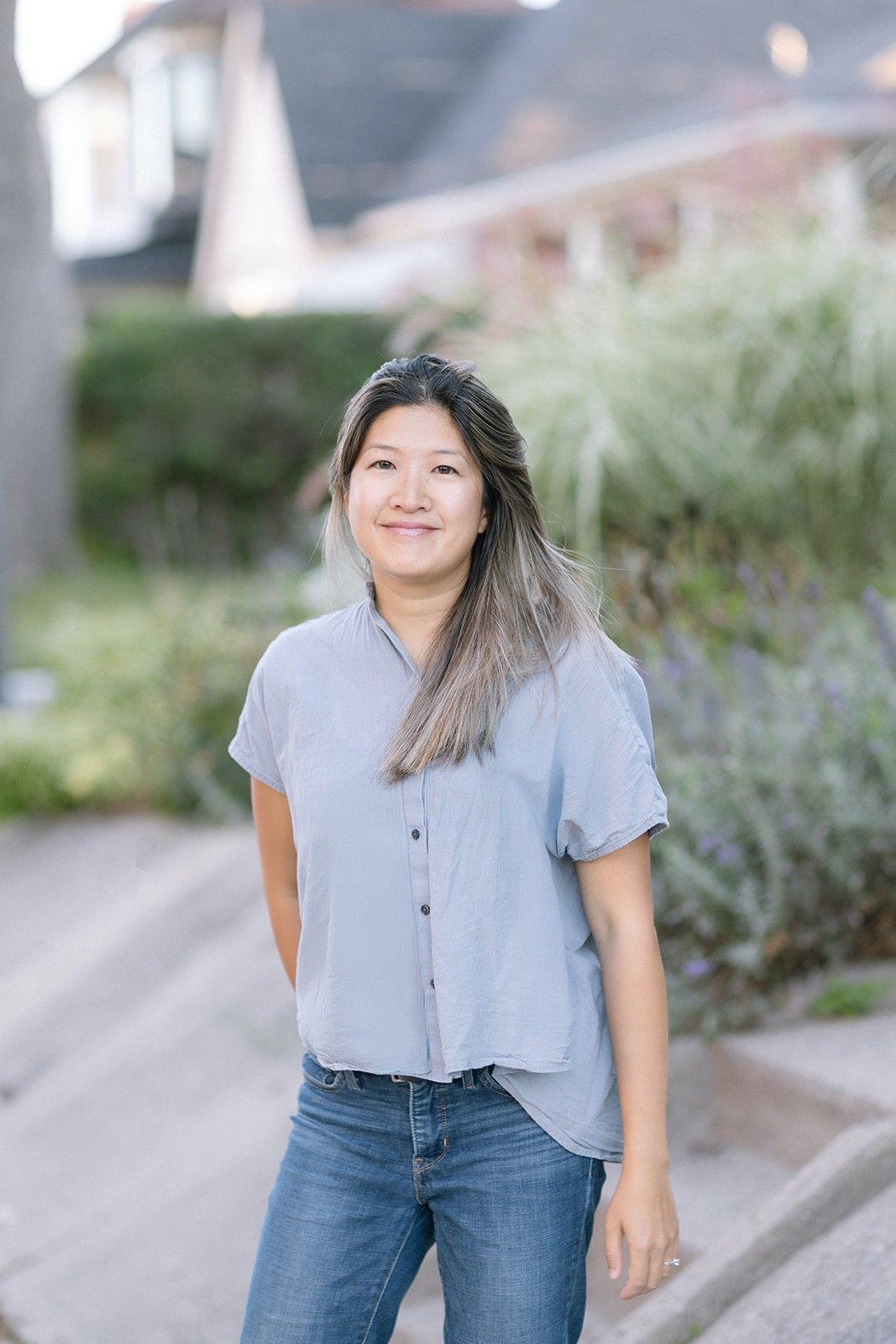
I was initially drawn to Rolfing Structural Integration to heal my back after a lifetime of occupational and emotional pain. Instead of a quick fix, it offered me a lifeline, and something good to do with my life.
For me, being a Rolfer is similar to detective work, and is endlessly interesting. I work with clients to figure out why they are experiencing pain or discomfort, and how they could both move and feel better. By slowing down, taking the time to deeply feel sensations, exploring subtle movements and re-educating of the motor pathways, together we find a way to re-imagine what it is to be embodied.
I trained at the Dr. Ida Rolf Institute (DIRI) in Boulder, Colorado, receiving my certifications a Rolfer® in 2015, and designation as an Advanced Rolfer® in 2023. I am currently a candidate in the faculty-in-training program at DIRI.
I’m also an RMT in good standing with the College of Massage Therapists of Ontario, and have completed thousands of hours of training in Structural Integration, Craniosacral Therapy, Visceral Manipulation and Yoga Therapy.
My work as a Rolfer has led me to study psychotherapy in the six-year psychodynamic psychotherapy training at the Centre for Psychotherapy in Toronto. I have a background as a classical musician, and completed a Master of Music in Historical Performance from the Conservatoire National Supérieur de Musique et Danse de Paris, FR.